

Modular Wardrobes
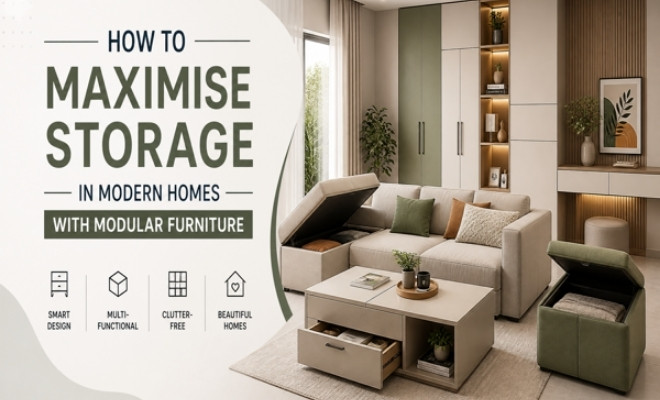
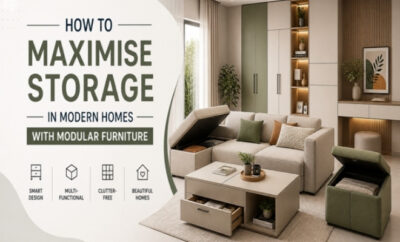
How to Maximise Storage in Modern Homes with Modular Furniture
Space has become one of the most valuable resources in modern homes. Between smaller floor plans and growing lifestyle needs, most people feel like they’re constantly negotiating with clutter. Modular furniture steps in here as a smarter way to make space work better. What it really offers is clear, adaptable ways to stretch every corner of a home, without overwhelming it. Let’s look at how you can maximise storage using modular design, room by room.
Start with the Layout You Actually Live In
The simplest way to unlock more storage is to understand what your daily routine demands. Modular furniture allows you to build around that. Inside wardrobes, for example, internal modules like apparel trays, shoe pullouts, saree or trouser racks, and tie-and-belt organisers help you break broad storage into smaller zones, that match your habits, instead of fighting them
Use Vertical Height Before Expanding Outward
Most homes lose a surprising amount of storage, because walls and wardrobes don’t go high enough. Modular wardrobes fix this by offering tall systems ( 2100-2400 mm) with top shelves that hold luggage, blankets, seasonal clothes, or items you don’t reach for often. The idea is simple:
- Store high-touch items at arm level
- Push bulkier items upward
- Keep the floor clear so the room feels open
The same logic applies to kitchens, living rooms, and studies. Wall-mounted units, loft cabinets, and high shelves create vertical layers of storage, without consuming floor space.
Pick Door Systems That Save Space
If a room space feels tight, the type of door you choose can make or break the layout. Sliding wardrobes, especially ones with lacquered glass or mirror finishes, help free up 2–3 feet of clearance space and visually expand the room. This alone can unlock space for movement, seating, or even an additional small unit.
Turn Corners and Odd Niches into Storage Zones
Modular corner wardrobes solve the often wasted space nicely by creating pentagonal or L-shaped storage zones, that merge two walls into one continuous unit Inside, These corners can hold long-hang clothes, boxes, or even a vertical accessory area, depending on how you configure the modules. You can apply this principle elsewhere too:
- Add shelving to the awkward wall between two doors.
- Use shallow storage in hallways.
- Convert recesses into study nooks or book units.
Build Micro-Storage into Daily Use Areas
Maximising storage means layering smaller, purposeful spaces throughout the home. For instance.
In a bedroom:
- Use lift-up hydraulic beds for bedding and seasonal overflow
- Install bedside units with concealed compartments
- Add wall-mounted shelves above headboards
In the living room:
- Choose modular TV panels with drawers and hidden wiring panels
- Add pouffes that double as storage stools
- Use floating shelves to keep surfaces clean
In the kitchen:
- Pull-out trays, corner carousels, bottle pullouts, and tall pantry units unlock areas that traditional cabinets ignore.
Storage That Adapts as Your Life Changes
Thoughtful interiors are about making what you already have work better, day after day. When design decisions are guided by real habits, material performance, and long-term usability, spaces stay functional, well beyond the initial setup.
This is where working with experienced interior specialists matters. Nexus Interio approaches design with a strong focus on structure, internal planning, and finish durability, not just surface aesthetics. Their team understands how storage systems, layouts, and materials need to perform in real homes over time. If you’re planning an interior that’s built to last and function effortlessly, get in touch with Nexus Interio to start the conversation.





0 comments